
By Ruvarashe Charakupa (Social Work Student Intern – Bindura University of Science Education)
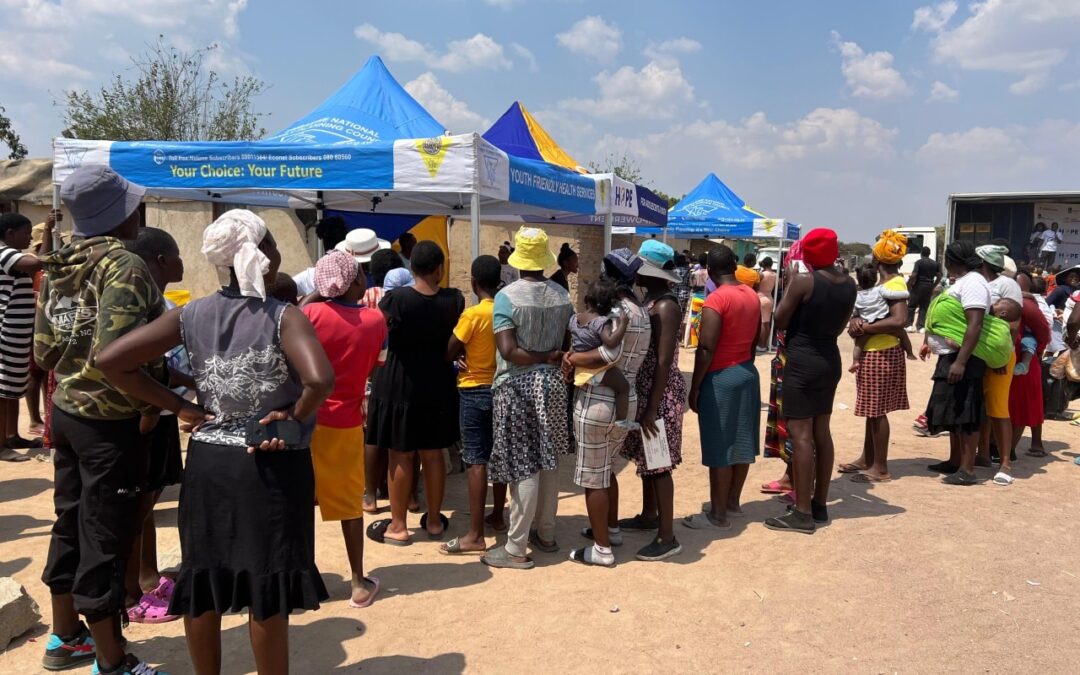
In my capacity as a social work intern within the Marketing and Communications and Adolescent Sexual Reproductive Health (ASRH) at the Zimbabwe National Family Planning Council (ZNFPC), I recently had the privilege of participating in a profoundly impact outreach at Hopely community held on the 20th September 2025. The event, generously hosted by the HOPE for Adolescents, an organization working with young people, was a testament to the power of multi-stakeholder collaboration in addressing critical community health issues. Representatives from HOPE, ZNFPC, Population Services Zimbabwe (PSZ) and Empowerment Globe worked alongside local stakeholders and community members, creating a comprehensive and well-rounded approach to health promotion.
The outreach served as a dynamic platform for health awareness, featuring interactive sessions and discussions on vital topics such as Family Planning and Adolescent Sexual and Reproductive Health (ASRH). Community members of Hopely engaged actively, their participation highlighting a strong desire for health empowerment. PSZ provided invaluable expertise in population services, directly supporting strategic health planning, while Empowerment Globe shared essential empowerment strategies designed to foster self-sufficiency and resilience within the community.
My role as a social work intern extended beyond the formal sessions. I took the opportunity to conduct door-to-door services, engaging with residents in their immediate surroundings, including at community boreholes. This direct, personal interaction allowed me to distribute informative pamphlets and engage in meaningful conversations. My efforts focused particularly on adolescents aged 10 – 24 years and their mothers, addressing sensitive but crucial topics like coping with drug abuse, stress management, and the prevention of early child marriages. This direct approach ensured that the health information reached individuals who might not have attended the main event.
The outreach demonstrated a strategic commitment of accommodating community members who might be occupied during regular weekday schedules. This thoughtful timing, combined with the comprehensive partnership, underscored the event’s importance. It was an exercise in community empowerment, providing residents with vital information that aligns directly with ZNFPC’s core objectives. The seamless partnerships among organizations amplified the event’s reach and impact, demonstrating that collective action can lead to more effective and sustainable results.
Ultimately, the Hopely outreach event was a successful model for community engagement and health promotion. It not only encouraged open dialogues around ASRH but also showcased the synergistic effect of diverse organizations working towards a common goal. The direct, door-to-door interactions and the strategic choice of engaging at community focal points like boreholes were particularly effective in fostering a sense of trust and direct access to information. My experience reaffirmed the value of community-based social work and its critical role for supporting behaviour change efforts for positive social change.