By Tracy Mazhura (ZNFPC Marketing and Communications Officer)
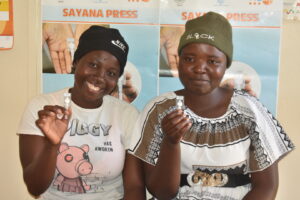
The Zimbabwe National Family Planning Council (ZNFPC), with support from the United Nations Population Fund (UNFPA), conducted a video documentation exercise capturing the transformative impact of Sayana Press Self-Care across six districts in Zimbabwe. The programme documented real-life experiences from women, healthcare providers, traditional leaders and other stakeholders, demonstrating how Sayana Press Self-Care is improving access to family planning services and contributing to the reduction of the unmet need for contraception in Zimbabwe.
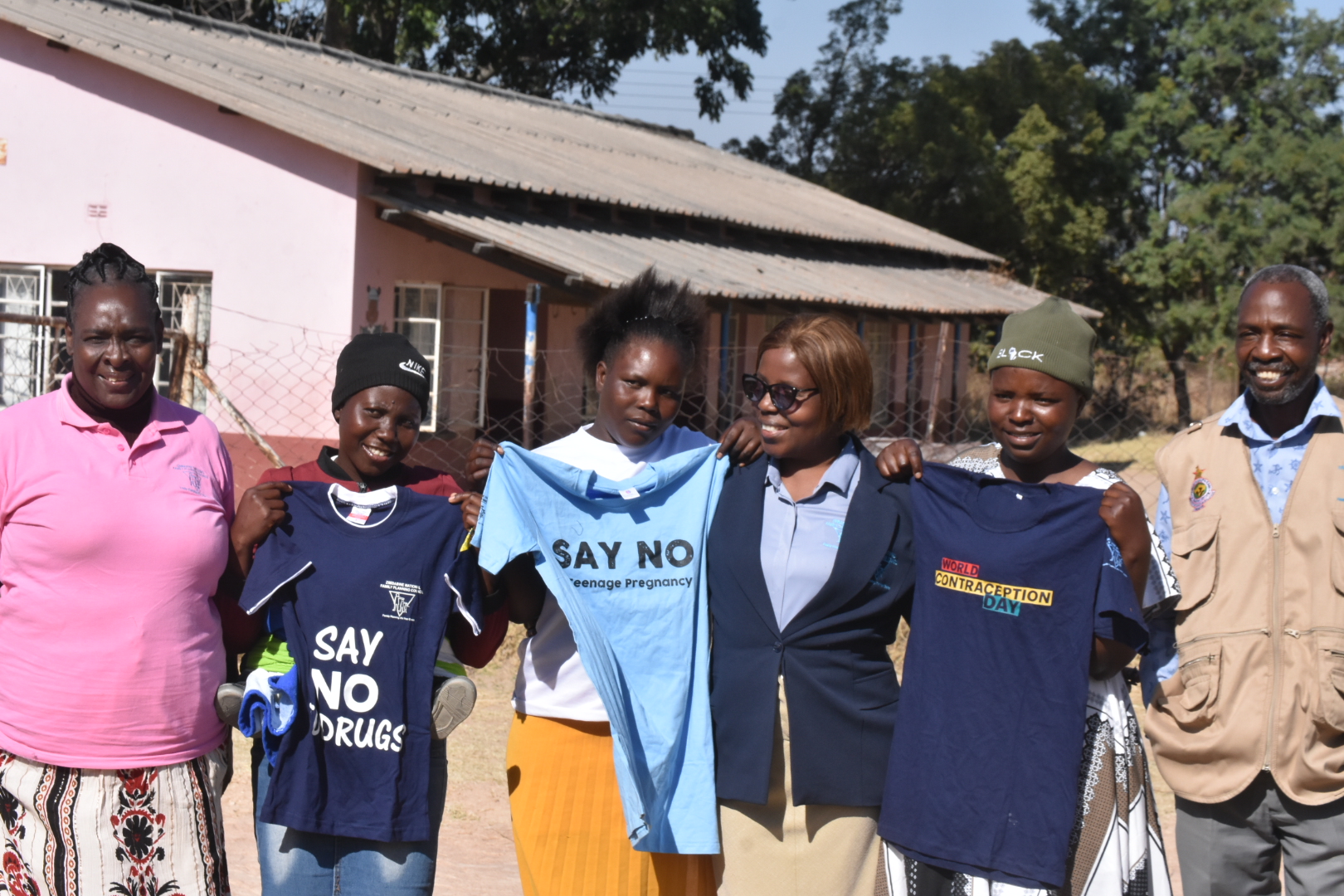
Community leaders support Youth-friendly health services
The exercise covered Mashonaland Central, Mashonaland West, Mashonaland East, Manicaland, Midlands and Matabeleland North provinces. Women interviewed described the method as safe, convenient, discreet and easy to use after receiving training from healthcare providers. Many said self-injection has reduced the need for frequent visits to health facilities, enabling them to manage their family planning from the comfort of their homes. For many women living in hard-to-reach communities, accessing injectable contraceptives often means travelling long distances to health facilities, incurring transport costs and spending time away from their families and livelihoods. Healthcare providers said Sayana Press Self-Care is helping overcome these barriers by expanding access to contraceptive choices while easing pressure on health facilities, allowing them to dedicate more time to clients requiring other essential healthcare services.
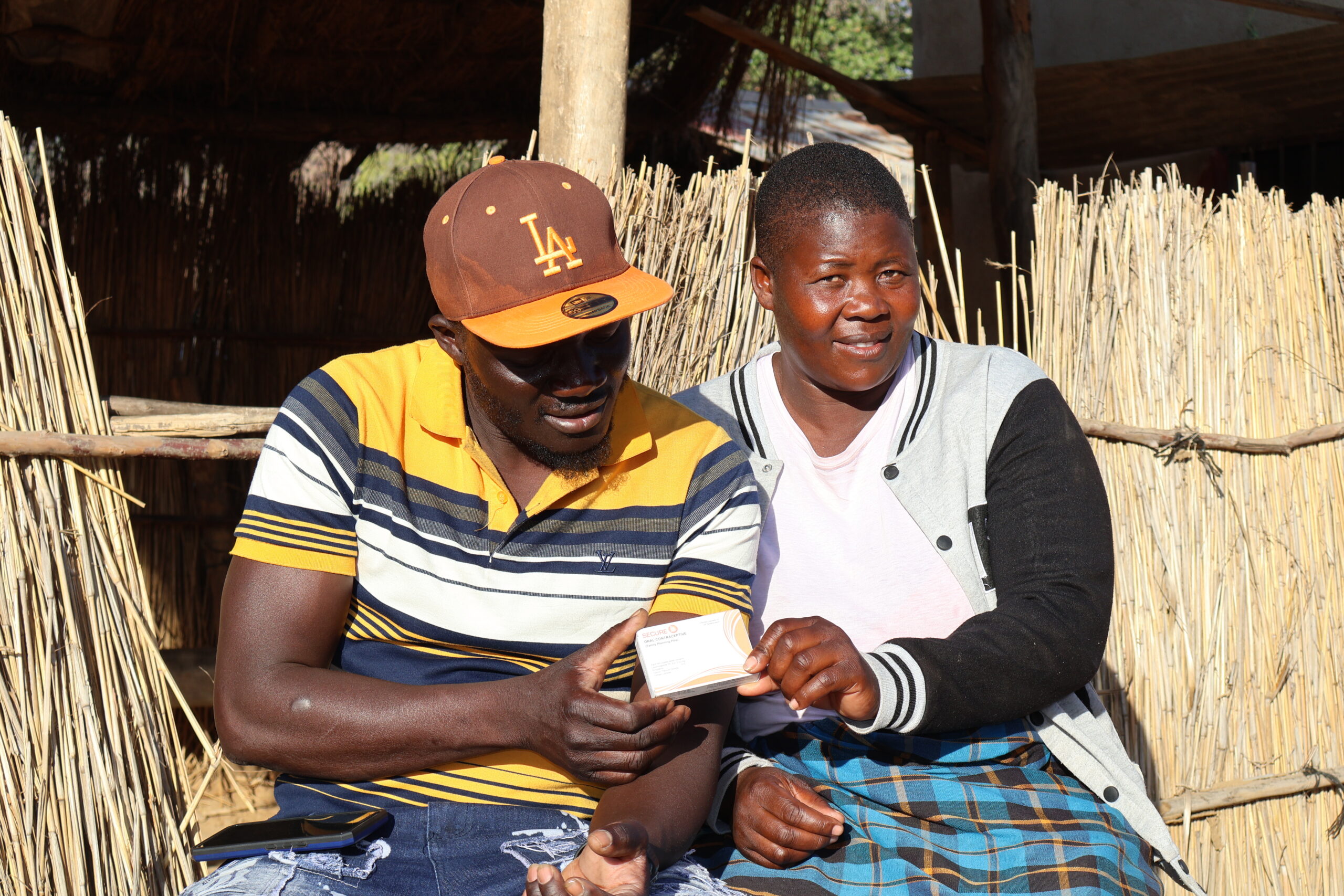
Male Involvement in Family Planning is essential for quality healthcare
Traditional leaders and community representatives said sustained community engagement and awareness campaigns have helped dispel misconceptions about family planning, encouraging informed decision-making and greater acceptance of modern contraceptive methods. Among the stories documented were those of women farmers who said Sayana Press Self-Care has enabled them to spend more time tending to their agricultural activities instead of travelling to health facilities for routine injections. Others highlighted the growing support they receive from their husbands, reflecting increasing male involvement in family planning.