
By Ruvarashe Charakupa (ZNFPC student intern studying Bsc Social Work at Bindura University of Science Education)
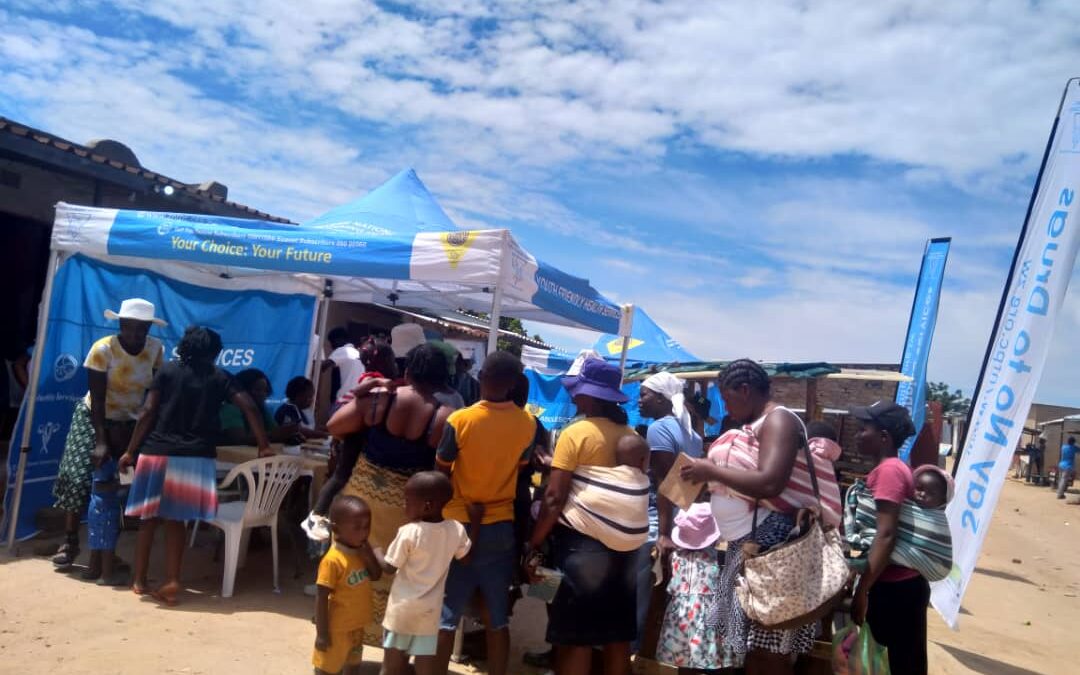
International Women’s Day, commemorated annually on 8 March, is more than a global celebration but a call to action. This year, as a social work intern at Zimbabwe National Family Planning Council, I had the privilege of experiencing the day not just as an observer, but as an active participant in a space where women’s voices, especially those often unheard, were given the attention they deserve. The day began early, with a sense of purpose shared among our team as we prepared for a community outreach program held at a local community center in Budiriro suburb. Women from different backgrounds gathered for the event. The group included adolescent girls, young women, mothers and importantly, women living with HIV, sex workers as well as members of marginalized communities who often face stigma and barriers in accessing essential health services. Their presence alone highlighted the importance of creating inclusive spaces where every woman, regardless of her circumstances, can access information and support.
The purpose of the gathering was not only to commemorate the day, but to actively engage women on issues affecting their daily lives. The organization facilitated discussions on Sexual and Reproductive Health, access to Family Planning services, Gender-Based Violence, mental health and the importance of self-care. As the sessions progressed, the atmosphere shifted from one of formality to one of openness and trust. Women began to share their lived experiences, challenges and victories. One woman from a key population courageously spoke about being denied healthcare services because of stigma, a story that deeply moved everyone present and opened the door for others to speak. The approach we used throughout the day was rooted in empathy, participation and inclusion. Rather than simply delivering information, we created a platform for dialogue through group discussions, storytelling and peer support circles. This allowed the women to not only receive knowledge but also contribute their own insights and experiences. It became clear that learning was mutual and as such, we were there to educate and understand communities.
As a social work intern, my role extended beyond facilitating discussions. I listened attentively, provided psychosocial support, and helped create a safe and non-judgmental environment where women felt comfortable expressing themselves. Through this experience, I learned that access to healthcare for many women, especially those in key populations, is not just about availability of services but also about being treated with dignity and respect. I also learned that empowerment often begins with something as simple yet powerful as being heard. One moment that stood out for me was during the closing reflections, when a participant expressed that it was the first time she truly felt that she mattered. That statement captured the essence and importance of International Women’s Day. It is a day that not only celebrates the achievements of women but also highlights ongoing challenges, especially for those who are marginalized. It serves as a reminder that there is still much work to be done in ensuring equality, inclusion as well as access to essential services for all women.
The significance of this day lies in its ability to bring people together to reflect, educate and advocate for change. It challenges individuals, communities and organizations to confront inequalities and to work towards a more just society where every woman’s rights are upheld. For organizations like Zimbabwe National Family Planning Council, it reinforces the importance of inclusive programming that reaches even the most vulnerable groups. As I reflect on the day’s events, I am left with a deep sense of responsibility and inspiration. My encouragement to anyone reading this is to recognize that International Women’s Day should not be limited to a single day of commemoration. It should be a continuous commitment to supporting and uplifting women in our communities. This can be done by listening without judgment, challenging stigma, discrimination and advocating for equal access to health and social services.