
By Miss Ruvarashe Charakupa – ZNFPC Student intern studying Bsc Social Work at Bindura University of Science Education
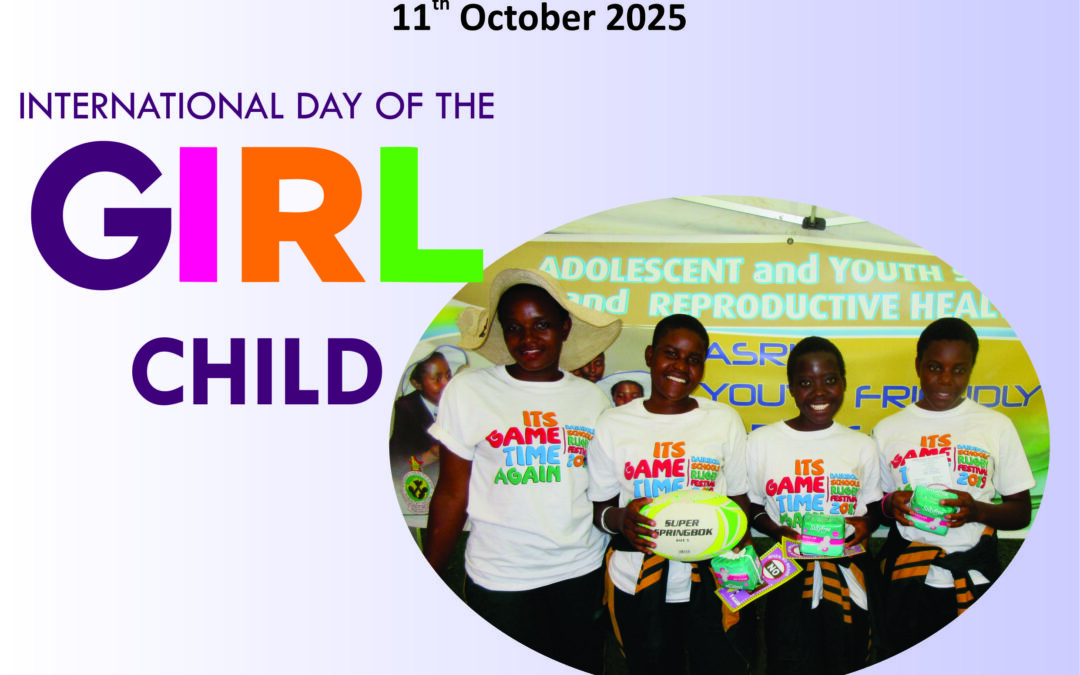
Every year on 11 October, the world observes the International Day of the Girl Child, a day dedicated to recognizing the rights of girls and the unique challenges they face across the globe. Established by the United Nations in 2012, this day serves as a platform to highlight the importance of empowering girls and ensuring their access to education, health care and protection from discrimination and violence. It is a powerful reminder that girls are not just future women, but leaders, innovators and change makers in their own right.
Across many parts of the world, girls continue to face significant barriers simply because of their gender. These include limited access to education, early and forced marriage, gender-based violence and unequal opportunities in society. Despite decades of progress, millions of girls are still denied their basic human rights. The International Day of the Girl Child shines a light on these challenges and calls for collective global action to address them.
The importance of this day goes beyond raising awareness. It encourages real change, reminds us that investing in girls is not just a moral obligation, but a strategic move for the betterment of communities and nations. When girls are educated, healthy and safe, they are more likely to contribute positively to society. Educated girls are more likely to build successful careers, raise healthier families and become role models in their communities.

Over the years, significant progress has been made in the fight for gender equality. More girls are attending school than ever before and child marriage rates have declined in several countries. Girls around the world are speaking out and taking leadership roles in movements related to climate change, education reform and human rights. Young activists have demonstrated the incredible power of a girl with a voice and a mission. Their work has inspired millions and proven that age and gender are not limitations when it comes to making a difference.
Each year, the International Day of a Girl Child is marked with a specific theme that highlights a particular aspect of girl’s rights. This year’s theme calls for recognition of girl’s leadership in the face of multiple crises, that is, “The girl l am, the change l lead.” Past themes have focused on issues such as digital inclusion, education and leadership. These themes help guide global conversations and ensure that attention is directed toward the most urgent challenges facing girls today.
But while international recognition and awareness are vital, real change starts at home and within communities. Everyone has a role to play in supporting girls. Parents and teachers can encourage girls to pursue their dreams and challenge traditional gender roles. Communities can work to eliminate harmful practices like child marriage and female genital mutilation. Governments can implement and enforce laws that protect girls’ rights and ensure equal opportunities in education, healthcare and employment.
In conclusion, the International Day of the Girl Child is a celebration of progress and a call to action. It reminds us of the potential within every girl and the responsibility we all share in nurturing that potential. By empowering girls today, we are building a more just, equal and prosperous world for tomorrow. As the saying goes, “When you empower a girl, you empower a generation.”