
By Ruvarashe Charakupa (Social Work Student Intern – Bindura University of Science Education)
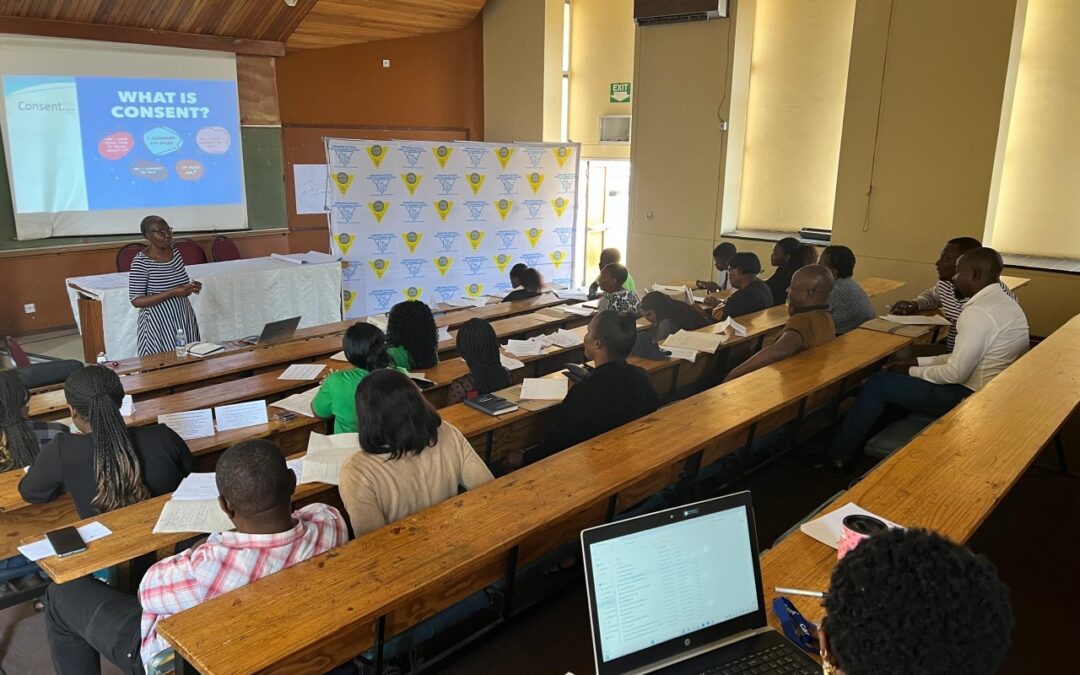
As I commenced my Work-related learning experience at the Zimbabwe National Family Planning (ZNFPC), I had the invaluable opportunity to participate in a comprehensive training on Adolescent Sexual and Reproductive Health (ASRH). This intensive five-day programme, held from the 8th to 12th September 2025, served as a foundational experience, shaping my understanding of the critical issues facing youths in our communities.
The content of the training was both expansive and deeply relevant to my field of Social Work studies. Over the course of the week, we delved into a range of critical topics including puberty, gender norms, consent, Sexually Transmitted Infections (STIs), and Family Planning methods. The curriculum was designed to equip future service providers with knowledge required to effectively educate and empower young people. Furthermore, the training addressed the psycho-social dimensions of ASRH, preparing health service providers to handle sensitive conversations with empathy and professionalism. The training was led by experienced ZNFPC professionals who brought a wealth of knowledge and practical experience, guiding a group of fellow service providers through the sessions. The location for the training was designated ZNFPC facility, providing a focused and conducive environment for learning and collaboration.
The primary purpose of training was to bridge the gap between theoretical knowledge and practical application. It was essential for us as service providers to understand not just the biological aspects of ASRH, but also the social, cultural and ethical considerations. The training aimed to instill in us a non-judgmental and respectful approach to topics that are often stigmatized. By gaining this specialized knowledge, trainees are better positioned to act as informed advocates and educators within communities, addressing a significant public health need and promoting positive health outcomes for adolescents.
The training methodology was highly interactive and experiential. Rather than just a series of lecturers, the programme incorporated a variety of hands-on activities such as engagements in group discussions, case study analyses and role-playing scenarios to practice communication and counseling skills. These sessions were essential as they allowed us to simulate real-world interactions and receive immediate feedback from our trainers and peers. This practical approach, combined with detailed information provided in the presentations, ensured that the learning was not only retained but also effectively integrated into our professional skill-set. The entire experience was a seamless blend of education and practical training cultivating a deeper sense of empathy and responsibility, reinforcing the vital role of service providers like social workers in protecting the health and rights of adolescents.