
By Percival Kushure.
Traditional leaders have been referred to as the, ‘key holders or gate keepers’ in their communities, meaning that they have the power and authority to allow and disallow entry of certain traditions, cultures and behaviors which promote deviant behaviours and practices such as child marriages. In their community settings, traditional leaders possess power or authority, keys as it were due to the capacity or position they hold, they have significant influence in communities. It is however, paramount to understand who these traditional leaders are, as well as their power hierarchy in the community. According to the Traditional Leadership Act of Zimbabwe it recognizes Chiefs, Headsmen and Village heads as traditional leaders in Zimbabwe and the Chiefs are at the top of the hierarchy followed by Headsmen and then Village herds.
A close look at some of the responsibilities and powers that traditional leaders have can help us to acknowledge the fact that indeed traditional leaders can be a formidable force to reckon with in as far as the issue of ending child marriages is concerned and we can work with them to avert child marriage incidences. It is also important to note that the Constitution of Zimbabwe upholds their roles and responsibilities.
The Traditional Leadership Act of Zimbabwe states separately the roles of each leader in accordance to hierarchy but with similar goals at the end. Some of the notable responsibilities which make traditional leaders able to combat child marriages in their communities are as follows:
- To promote and uphold cultural values of their communities and in particular, to promote sound family values. This responsibility ensures that village herds uphold and support activities which promote positive values and tradition which builds communities and respect even the values of young people. Negative values and traditions which promote practices such as child marriages are denigrated.
- To facilitate development. This responsibility gives traditional leaders the authority to engage and work with development partners in various sectors which include adolescent sexual health programmes which also focus on alleviating child marriages in communities.
- To resolve disputes amongst people in their communities in accordance with customary law. This responsibility allows traditional leaders to ensure that customs that are consistent with legal requirements are abided to in the community and this includes ensuring that the practices of child marriages which are not consistent with legal requirements are not practiced. With this responsibility traditional leaders are equipped enough to sound alarm on child marriage practices in their constituencies.
- To exercise any other functions conferred or imposed on them by Act of Parliament. This responsibility gives traditional leaders the powers to enforce the country’s landmark ruling or judgment to declare 18 years the legal minimum age of marriage, while all forms of child marriages were deemed unconstitutional.

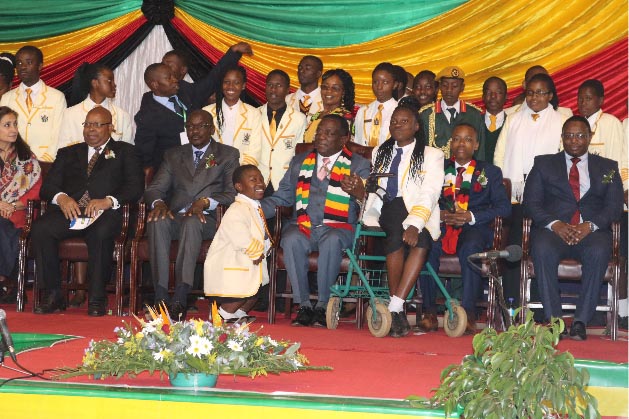
Leaders engage to discuss issues affecting Adolescents and Youth
In light of these responsibilities, traditional leaders are a powerful force to reckon with in alleviating child marriages in any situation including humanitarian settings where perpetrators can take advantage of the situation. Therefore traditional leaders are powerful if they use their powers vested as gate keepers in communities. Hence as development partners, government ministries and parastatals in the fight to end child marriages, there is need to fully recognize their power in averting certain traditions and cultures that promote child marriages in communities. Zimbabwe National Family Planning Council in full cognizance of the roles, responsibilities and power that the traditional leaders have, appreciates their role and continues to work with traditional leaders in the provinces in a bid to end child marriages.