
By Fadzayi Maposah – ZNFPC National ASRH Youth Programme Officer
Menstrual Health Management (MHM) is one of the programmes that the Zimbabwe National Family Planning Council (ZNFPC) is implementing as a way to improve the health and well-being of girls and young women.
There are many facets to MHM and each facet is important. There is information dissemination. During this phase, information on MHM is shared with the young people. One is always surprised by the myths and misconceptions that are within the communities. During information dissemination myths and misconceptions are dispelled and the facts are reinforced. Another facet is assisting the young girls and women to be able to handle the issues that come with menstruation. Menstruation comes with many mental health issues that need to be managed well so that a very natural process does not become a dreaded burden. Provision of sanitary ware, whether it is disposable or reusable is just but one element of MHM, which for some people can appear as the whole issue.
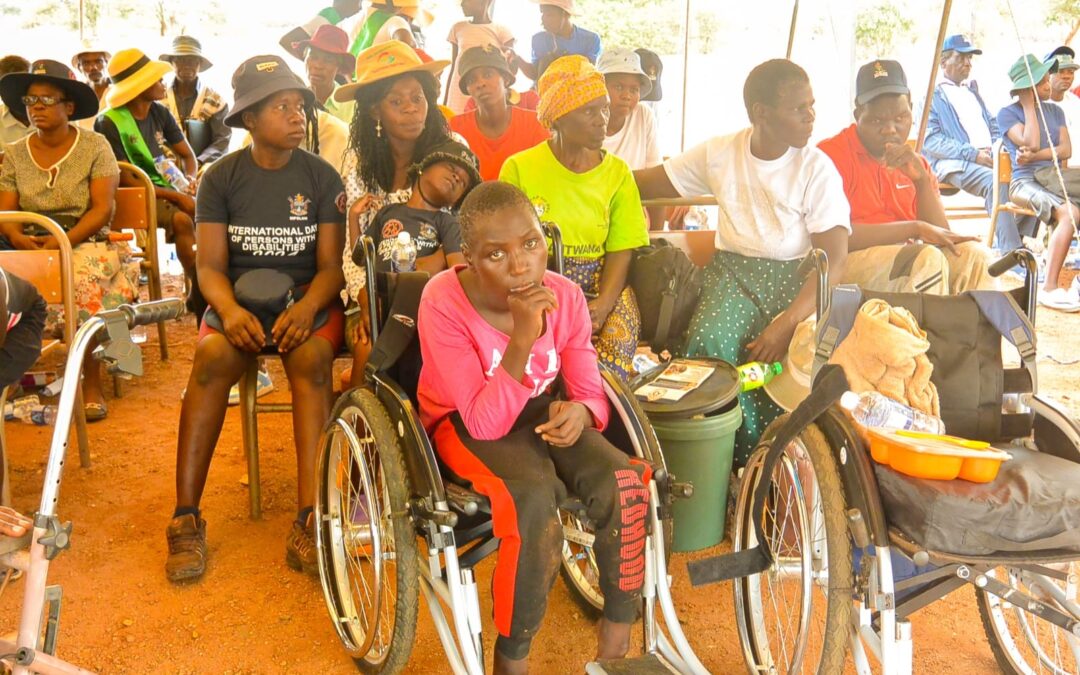
Zimbabwe National Family Planning Council, Adolescent Sexual and Reproductive Health (ASRH) Unit participates in community meetings to trigger discussions with mothers and caregivers of young women with disability who have reached puberty and are now menstruating. It was a very emotional discussion as the mothers and caregivers shared their experiences. During the meetings, mothers noted that since the levels of disability varied, the tasks that they had experienced during their child`s menstrual period were also different. During the discussions, the mothers shared how for some children, they had to do everything. Bath the child, put on the sanitary ware, change the sanitary ware when it was due and ensure that it was disposed of properly after use. Using reusable pads though it is better than not having anything at all has its own challenges as they must wash the pad and ensure that it is put out to dry. The mothers and caregivers who have not yet reached menopause have to deal with their own period and the period of the young person incapacitated to handle their own.
The community meetings provide platforms for the mothers and caregivers to air out their concerns without being judged, something that they tend to lack when in their own homes. At times, the people they tell do not really understand what they are going through. Being in a meeting with others with similar issues was in itself a supportive factor. The meetings bring together mothers, caregivers, young girls and women to discuss and distribute dignity packs that contain sanitary pads, both reusable and disposable as well as an underwear and soap.