
By Lorraine Mbereko (ZNFPC Communications Assistant)
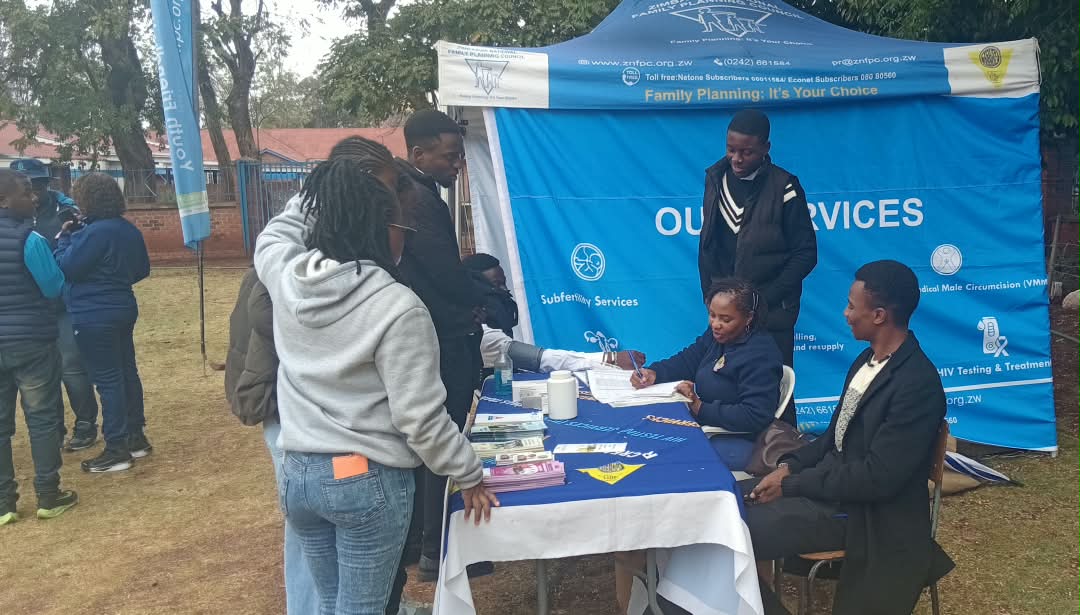
On 2 October, Zimbabwe National Family Planning Council (ZNFPC), in partnership with Msasa, UNESCO and the National AIDS Council (NAC) took the Wellness Outreach programme to Harare Polytechnic, where tertiary students had access to a range of sexual and reproductive health services and information. Among the services provided was HIV testing, with emphasis placed on maintaining privacy and confidentiality so that students could comfortably know their health status without fear of being exposed or judged. Students also received information on contraception, participated in counselling sessions and were engaged on ways to challenge gender-based violence (GBV) and discrimination. These conversations are important in empowering young people to recognize their rights, make informed decisions and seek assistance when faced with health or social challenges.
The outreaches create opportunities for young people to access health services and accurate information in an environment where they can feel safe, respected and supported. The initiative seeks to encourage young people to understand that seeking medical attention is a normal and responsible part of taking care of one’s health not something they should be ashamed or afraid of. Fear to access health services can have undesirable consequences. Delaying or avoiding health services can increase young people’s vulnerability to Sexually Transmitted Infections (STIs), unintended pregnancies and unsafe abortions. It can also prevent those living with HIV from accessing treatment early. Beyond the physical health consequences, stigma and discrimination can contribute to anxiety, isolation and a reluctance to seek help when it is needed most.

Fear of being judged, discriminated against or stigmatized continues to prevent many adolescents from seeking sexual and reproductive health services, exposing them to unintended pregnancies, unsafe abortions, HIV and other health risks. For many young people, seeking sexual and reproductive health services can be an intimidating experience. Some young people are too shy or afraid to seek medical attention when they experience sexual and reproductive health concerns. Others fear being judged for seeking contraception, resulting in unintended pregnancies and in some cases, unsafe abortions. The fear surrounding HIV testing is another concern. Some adolescents avoid knowing their HIV status because they worry about stigma or discrimination, yet knowing one’s status is an important step towards accessing treatment and maintaining a healthy life.
Creating safe and inclusive spaces is essential to changing the way young people view health services. When adolescents know that they will be treated with dignity and confidentiality, they are more likely to ask questions, get tested, seek contraception, access counselling and obtain treatment when necessary. The Wellness Outreach at Harare Polytechnic demonstrated the importance of bringing services closer to young people while addressing the fears that keep them away from health facilities. Such initiatives can help foster an environment where young people feel comfortable seeking help without fear of discrimination, stigmatization or judgment. By creating welcoming, confidential and youth-friendly spaces, organizations and communities can help ensure that every young person has the confidence and opportunity to access the sexual and reproductive health services they need.